Aluminium anodising in Buchen, Germany
Anodising explained – from material and pre-treatment to the right surface finish for your component.
Discuss your anodising project
What is anodising?
Anodising is an electrochemical surface treatment for aluminium. The German term “Eloxal” stands for electrolytic oxidation of aluminium. The component surface is converted into an oxide layer. This protective layer is formed from the base material itself; no paint film is applied.
The metallic character remains visible. Depending on the process, the finish can be clear (natural) or coloured. Alloy, machining and pre-treatment influence the result.
Why anodise aluminium?
An agreed anodised finish combines protection and appearance. The required properties depend on the component’s use and surroundings.
- Corrosion protection through a controlled oxide layer.
- Decorative finishes with a visible metallic character.
- A harder surface than untreated aluminium; wear resistance depends on the specification.
- Clear (natural) and coloured finishes for a coordinated appearance.
Which aluminium alloys are suitable?
Aluminium alloys do not all produce the same anodising result. Composition, structure and material condition can influence colour and uniformity. Anodising does not automatically conceal visible machining marks.
ERKO’s material overview lists AlMgSi0.5 and AlMgSi1 for profiles, and AlMg1 and AlMg3 for sheets. We assess the suitability of your specific alloy and agree the requirements for visible surfaces before processing.
Pre-treatment: grinding, brushing and etching
The required finish starts with preparation before anodising. Grinding and brushing change the surface mechanically. Etching treats it chemically. The initial surface condition and pre-treatment shape the final appearance.
At Erhardt ERKO, grinding, brushing and etching are part of preparation for anodising. Specify visible surfaces, required texture and acceptable machining marks in your enquiry.
Clear (natural) or coloured anodising?
Clear (natural) anodising emphasises the appearance of aluminium. Colouring creates other finishes. The required shade should always be considered together with the material, pre-treatment and a suitable sample.
The following overview shows our original samples for clear (natural), gold and bronze shades, black and other coloured finishes. The C31 to C34 series ranges from light beige through bronze to dark brown. Anodising colours are different from opaque RAL paint colours.
| Colour sample | Colour / reference |
|---|---|
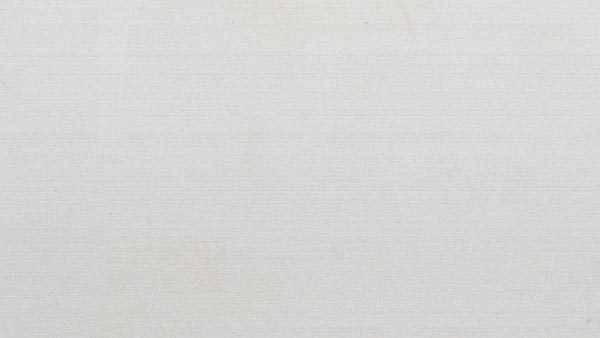 | C0 / EV1Clear (natural) |
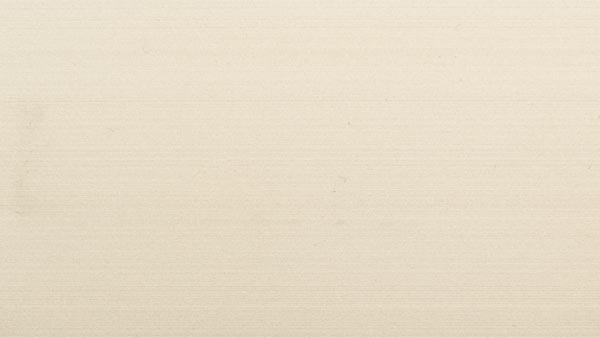 | C2 / EV2Light gold |
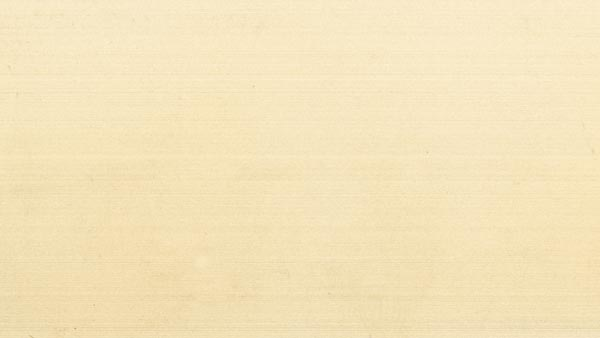 | C3 / EV3Dark gold |
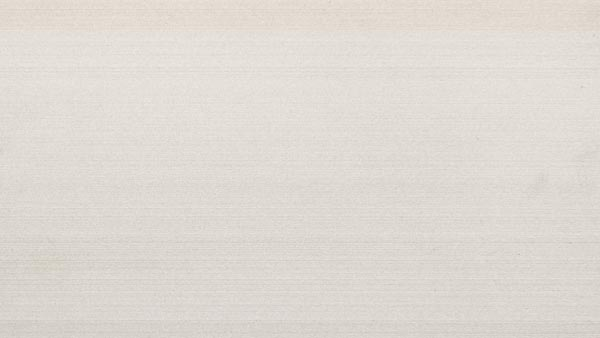 | C31 |
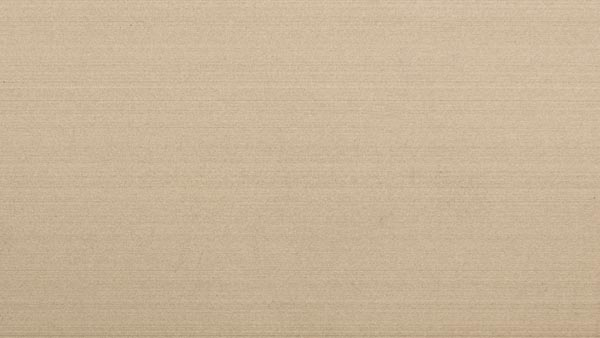 | C32 |
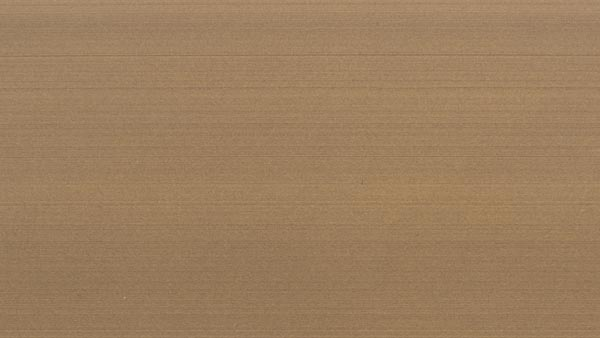 | C33 |
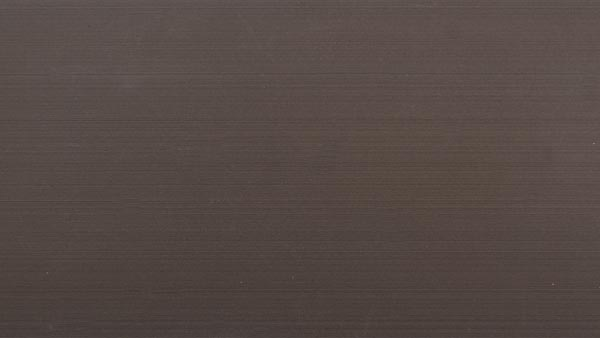 | C34 |
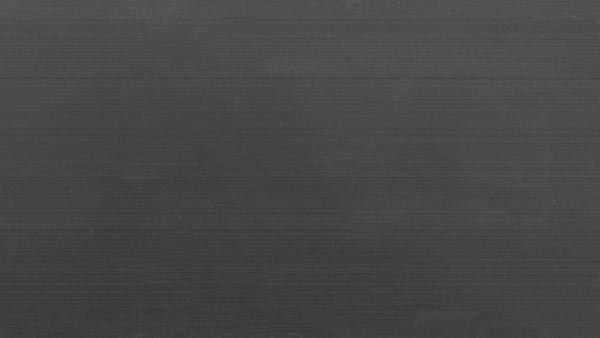 | C35Black |
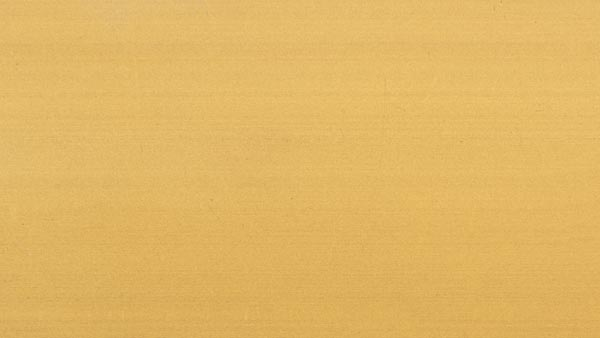 | F4Golden brown |
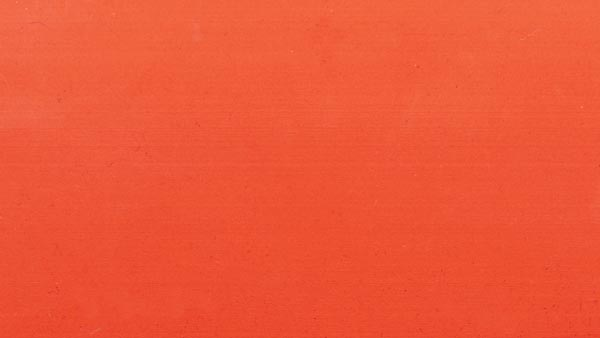 | RedOther anodising colours on request |
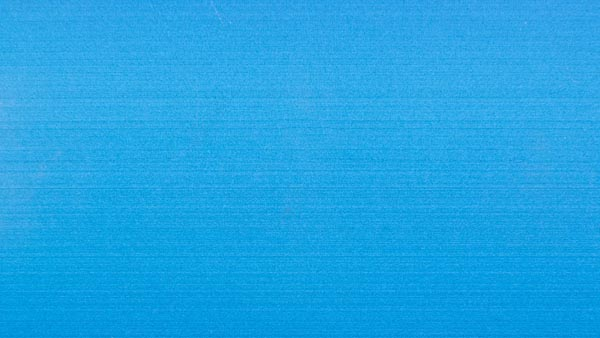 | BlueOther anodising colours on request |
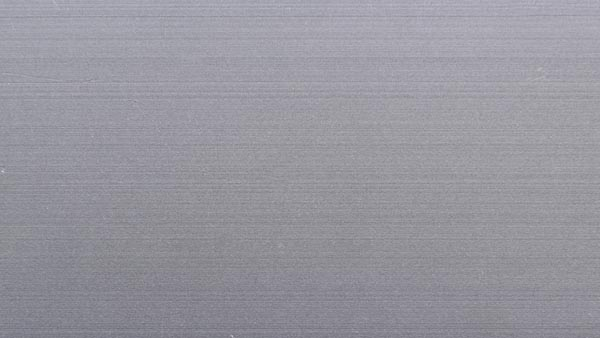 | GreyOther anodising colours on request |
On-screen colours are not binding colour references. Material, pre-treatment and processing influence the shade. We agree the required colour and sample for your component.
How does the anodising process work?
After the material and requirements have been assessed, the component is prepared and electrical contact is established. The oxide layer forms in the electrolyte bath. Depending on the required finish, colouring and suitable post-treatment, such as sealing, follow.
This is a general process description. The exact sequence, pre-treatment and post-treatment depend on the agreed process and the component requirements.
Contact points, coating thickness and tolerances
The component requires electrical contact during processing. The surface at contact points may look different or have interrupted coating formation. Agree their location early for visible or functional areas.
The oxide layer changes the surface and can affect dimensions. Fits, threads and mating surfaces must therefore be considered together with the required coating thickness. A universal dimensional allowance is not suitable for every project.
- Clearly specify the alloy and material condition.
- Mark visible surfaces and acceptable contact points on your drawing.
- Define functional surfaces, tolerances and coating requirements.
- Agree colour and sample requirements before series production.
Aluminium anodising at Erhardt ERKO
In Buchen in the Odenwald region of Germany, we combine anodising with our own machining and fabrication. Components can be machined before surface finishing and then undergo further steps such as assembly or packaging.
Maximum component dimensions are 3,000 × 1,000 × 350 mm. Geometry, suspension and electrical contact must also be suitable. We assess feasibility for your component with each enquiry. Coating thicknesses and batch sizes are agreed for each project.
Anodising services on our home pageAnodising or powder coating?
Anodising creates an oxide layer from the surface of suitable aluminium alloys. Powder coating applies a separate coating film. The processes differ in appearance, coating build-up and requirements for dimensionally critical areas.
The appropriate process depends on the material, application and required appearance. Powder coating may be an alternative where an opaque colour or a particular surface texture is required.
Powder coating: process and benefitsFrequently asked questions about anodising
Is anodising the same as painting?
No. Anodising forms an oxide layer from the aluminium itself. Painting and powder coating apply a separate coating.
Can every aluminium component be anodised?
Suitability depends on the alloy, condition, geometry and surface requirements. We need the exact material specification and a drawing to assess your component.
Will milling marks remain visible after anodising?
They may remain visible. Anodising does not conceal machining marks like an opaque paint film. Visible surfaces and pre-treatment should therefore be agreed in advance.
What coating thickness is appropriate?
Coating thickness is specified to suit the application, material and dimensional requirements. Send us your technical requirements so we can agree the proposed finish with you.
What information does ERKO need for an enquiry?
Please provide a drawing, alloy, dimensions, quantity, required colour and coating requirements, with visible and functional surfaces marked. Find the right person on our contact page.